
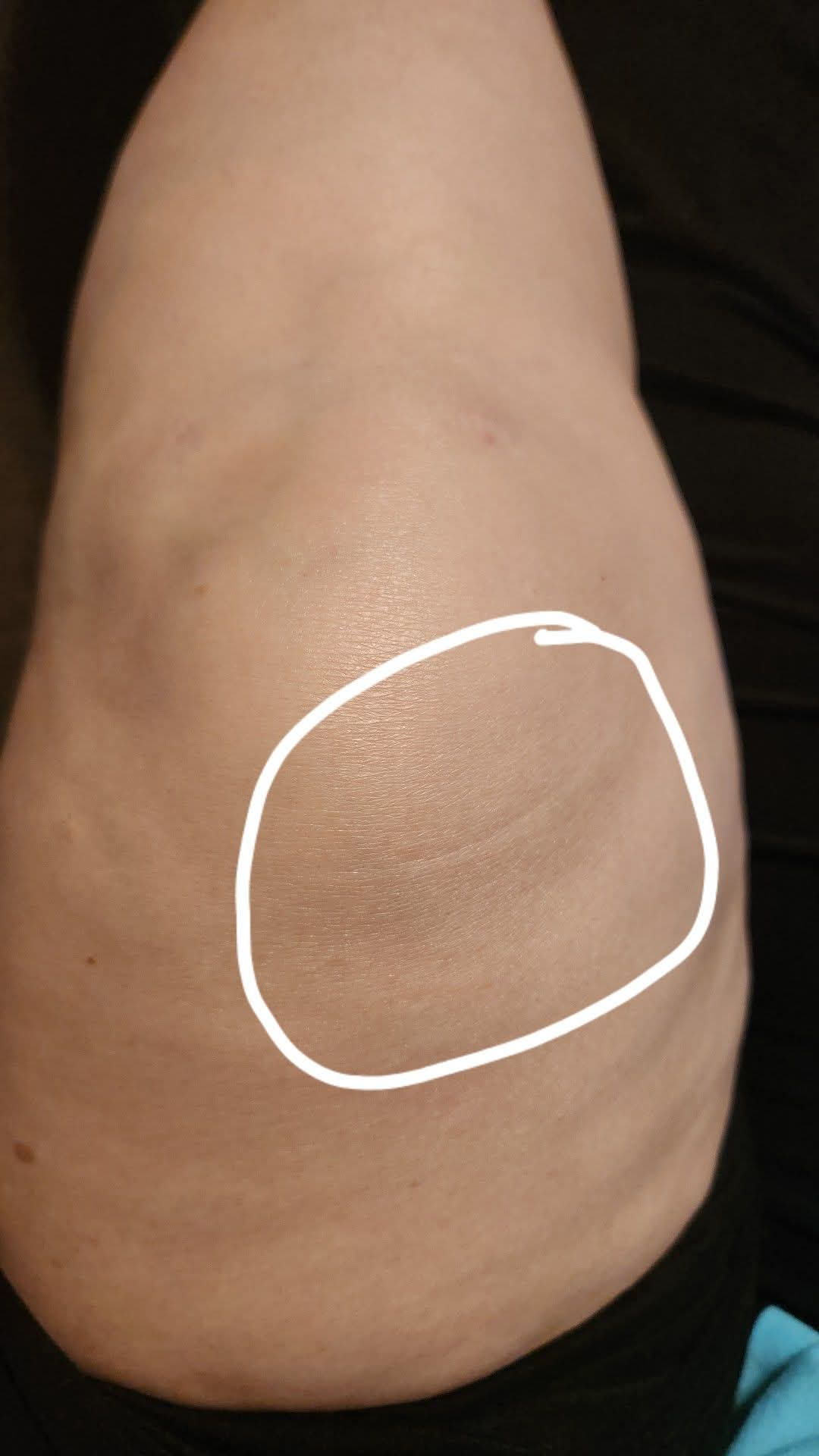
Six months after knee surgery, it’s common to feel strong and confident again. However, overdoing activities — especially long walks during vacation — can easily cause a flare-up. If you’re experiencing mild swelling and significant pain in a specific area of the knee, it’s likely inflammation from overuse rather than a new injury.
Here’s how to calm your knee down quickly and safely.
Why It Hurts
After knee surgery, the joint and surrounding tissues are still adapting for many months. Excess walking can irritate:
The patellar tendon
Scar tissue
The joint lining (synovium)
Surrounding muscles and soft tissues
Even mild swelling can create significant pain because the knee joint is sensitive to pressure changes.
What You Can Do Right Now
- Continue R.I.C.E. — But Do It Properly
You’re already icing and elevating, which is excellent. Make sure you:
Ice for 15–20 minutes every 2–3 hours
Use a thin cloth between ice and skin
Elevate the leg above heart level
Avoid icing for longer than 20 minutes at a time. - Add Compression
A light compression sleeve or elastic bandage can help control swelling and provide stability.
Make sure it’s snug but not tight enough to cause numbness or tingling. - Use Anti-Inflammatory Medication (If Safe for You)
If you’re medically allowed, over-the-counter NSAIDs like ibuprofen or naproxen may help reduce inflammation and pain.
Always follow dosing instructions and avoid if you have stomach, kidney, or bleeding issues.
If unsure, consult your healthcare provider. - Reduce Activity for a Few Days
This is very important.
Avoid:
Long walks
Stairs
Deep bending
Squats
Switch to gentle range-of-motion movements only. - Gentle Mobility Exercises
After the swelling starts decreasing:
Heel slides
Straight leg raises
Quad activation exercises
Avoid strengthening exercises until pain calms down. - Topical Relief Options
You may try:
Anti-inflammatory gels (like diclofenac gel)
Arnica cream
Menthol-based cooling creams
These can provide temporary relief.
When to Contact Your Doctor
Seek medical advice if you notice:
Increasing swelling
Redness or warmth
Fever
Locking or instability
Pain that does not improve after 3–5 days of rest
How Long Will It Take?
If it’s simply overuse inflammation, most flare-ups improve within 3–7 days with proper rest and care.
The key is to respect your knee’s limits — even months after surgery, it still needs gradual progression.
Final Advice
Think of this as a temporary setback, not a failure. Healing isn’t linear. Give your knee a few recovery days, reduce stress on it, and it should settle down.